A Smarter Way to Understand Your IRS Account
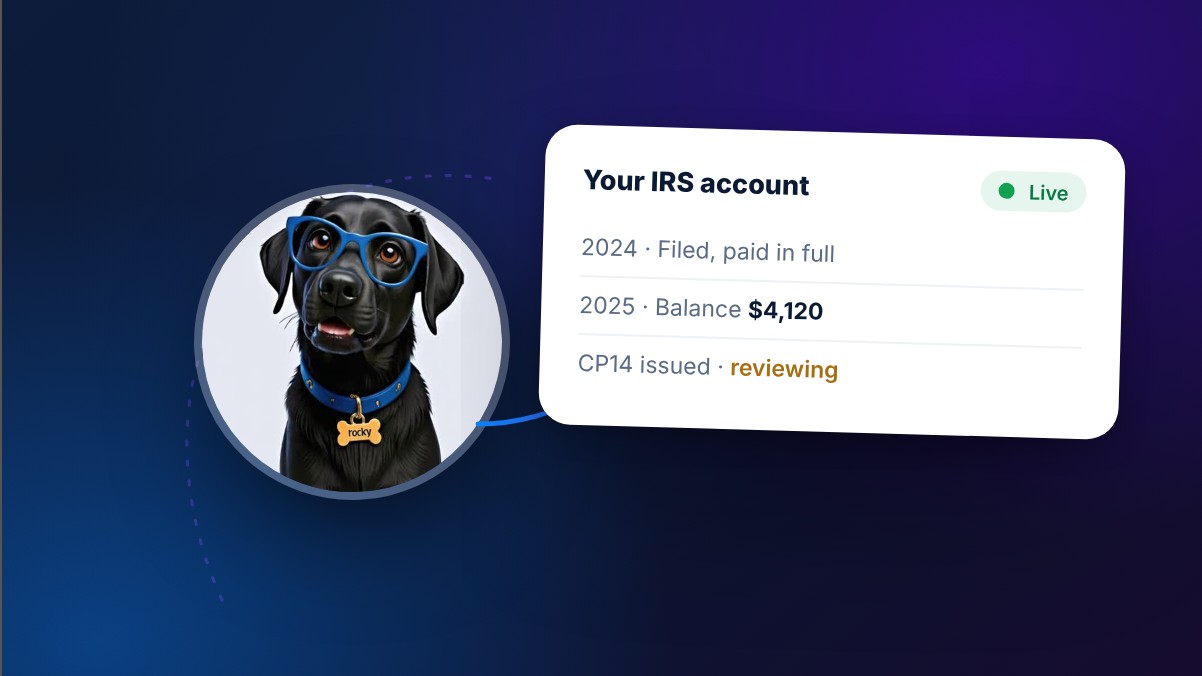
Most people interact with the IRS twice a year: when they file, and when a letter shows up. In between, the IRS maintains a running account for every taxpayer, a master record of everything it knows and everything it has done, and that account, not the letter, is where the truth lives. Learning what it contains, and how to stay connected to it, changes your relationship with the agency from reactive to informed.
What the IRS actually keeps on file
For each taxpayer and each tax year, the IRS master file records the return you filed and how it was processed, every payment and credit and where it was applied, penalties and interest as they accrue, refunds issued, held, or offset, every notice generated, and status changes like an account entering collections or being assigned to a revenue officer. Each event posts as a dated transaction, and together those transactions tell the full story of the year.
The official windows into this record are transcripts, and there are several, each answering a different question:
- Tax return transcript: what you filed, most line items from the original return. What lenders historically asked for.
- Tax account transcript: what happened after you filed, payments, adjustments, penalties, balances. This is the one that matters for “where do I stand.”
- Record of account: the two above combined.
- Wage and income transcript: every W-2, 1099, 1098, and 5498 third parties reported about you. The raw material the IRS uses to check your return.
The catch: transcripts speak in code
Open an account transcript and you will not find sentences. You will find three-digit transaction codes: TC 150 (return filed and tax assessed), TC 806 (withholding credit), TC 276 (failure-to-pay penalty assessed), TC 971 (notice issued), TC 570 (refund hold), TC 582 (lien indicator), and hundreds more, each with a date and amount. Professionals read these fluently; almost nobody else does. The IRS’s own pocket guide to the codes runs dozens of pages, and misreading one, confusing a hold code with an assessment, say, leads people to entirely wrong conclusions about their situation.
This is the real reason most taxpayers never look at their account: the data is authoritative but the format is hostile.
Why the letter is always late
Every IRS notice is generated from the account, then printed, batched, and mailed on the agency’s notice cycles. The event exists in the account first, sometimes weeks or months first. A balance posts immediately when a return processes; the CP14 bill follows on the cycle. A refund hold appears as a transaction while you are still refreshing “Where’s My Refund.” Collection status advances step by step in the account before each escalating letter goes out. Reading the mail means consuming the account’s history with a built-in delay, minus the context, one page at a time.
What staying connected actually looks like
Checking the account once tells you where things stood on a Tuesday. The account changes: returns process, payments post or misapply, penalties accrue, notices queue. The taxpayers and professionals who avoid surprises are the ones with continuous visibility, where new activity is noticed when it posts, not when it is mailed.
Until recently that meant someone pulling and decoding transcripts on a schedule, which is exactly as tedious as it sounds. Connected monitoring changes the economics: authorize access once, and software watches the account continuously, translating transaction-code activity into plain language as it happens. The difference is between owning a smoke detector and occasionally sniffing the air.
Where TaxRock fits
This is the gap TaxRock was built for. Connect your IRS account once and Rocky reads it continuously: what you owe by year, what has been filed, what payments posted and where they were applied, which notices exist, and, most importantly, what changed since you last looked, in plain English instead of transaction codes. If you have ever been surprised by an IRS letter, the fix is not checking the mail more anxiously; it is staying connected to the account the letters come from. See how IRS Account Monitoring works, or get a full assessment of where you stand.